

Being Prepared, Safety Gear, Recovery & Winching
Safety gear and being prepared is a must in the offroad sport. Many trails are very remote and things can change rapidly when exploring the vast land of this province.
| Being prepared Always carry personal items for your own comfort, safety and nourishment;
|
Don’t get lost, consider these items
Communications
Repair Tools
|
Basic Replacement Parts
|
Vehicle Tow Points
|
Recovery Gear (Basic)
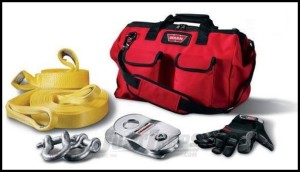
- a recovery strap with closed loops (3 or 4 inches and about 20 to 30 feet long) DO NOT buy a tow strap!!!

Warn Basic Recovery Kit
- shackles (3/4 inch or bigger)
- Shovel
- Axe
Recovery Gear (Advanced)
- Winch, minimum size of 8000lbs depending on vehicle size. (Ex, larger vehicle, larger winch)
- Tree Strap (A shorter strap for going around the base of a tree)
- Snatch Block (Pulley) something that fits your line and has the same rating as your winch
- Chain with hooks for anchoring off
- HI-Lift 48 to 60 inches (Can be used as a secondary winch or lifting device)
 |
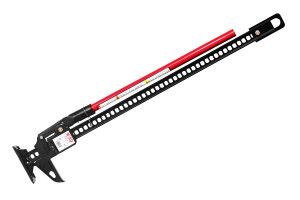 hi lift |
Winching Guide
For your very own digital copy of a Warn winching guide click here, WARN_Guide_to_Safe_Winching
A few Safety tips
- Always stand clear of vehicles being recovered
- Never stand in-line with a winch cable under tension, if the cable breaks it becomes a deadly projectile.
- Do not touch the winch cable without wearing gloves or you will quickly learn the definition of “meat-hooks”.
- Whenever possible lay a coat or blanket across the cable near the center to dampen the recoil in case of a break.
- The winching vehicle should always have it’s hood up when winching. Protects the windshield and driver
- Always use a tree strap when winching to a tree to protect the tree from damage.
- Do not overdrive the winch, be aware of the limits of your winch. Keep your engine running at a high idle while winching to keep voltage up. Low voltage = high current which generates excessive heat that can damage your winch.